A hillside shaped by time and views
Walk through centuries: ramparts, exhibitions, and cabins rising over the city.
Table of Contents
Origins of Montjuïc and its castle
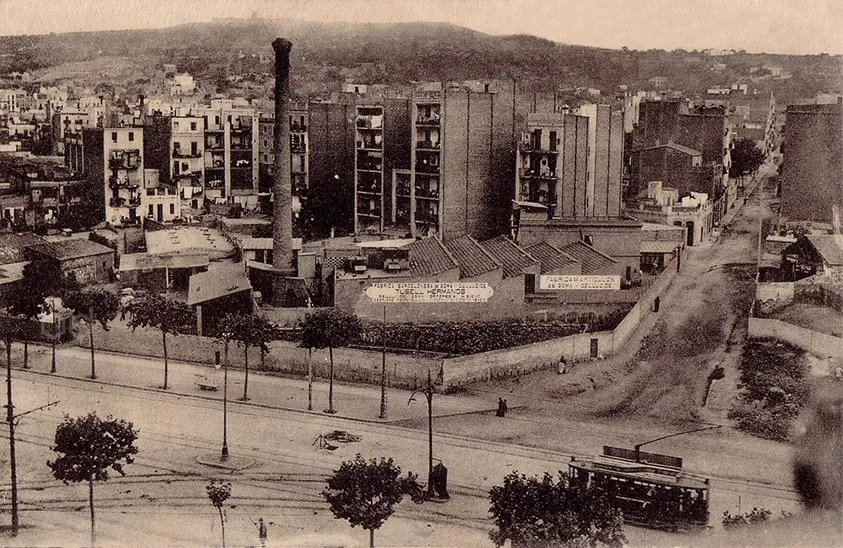
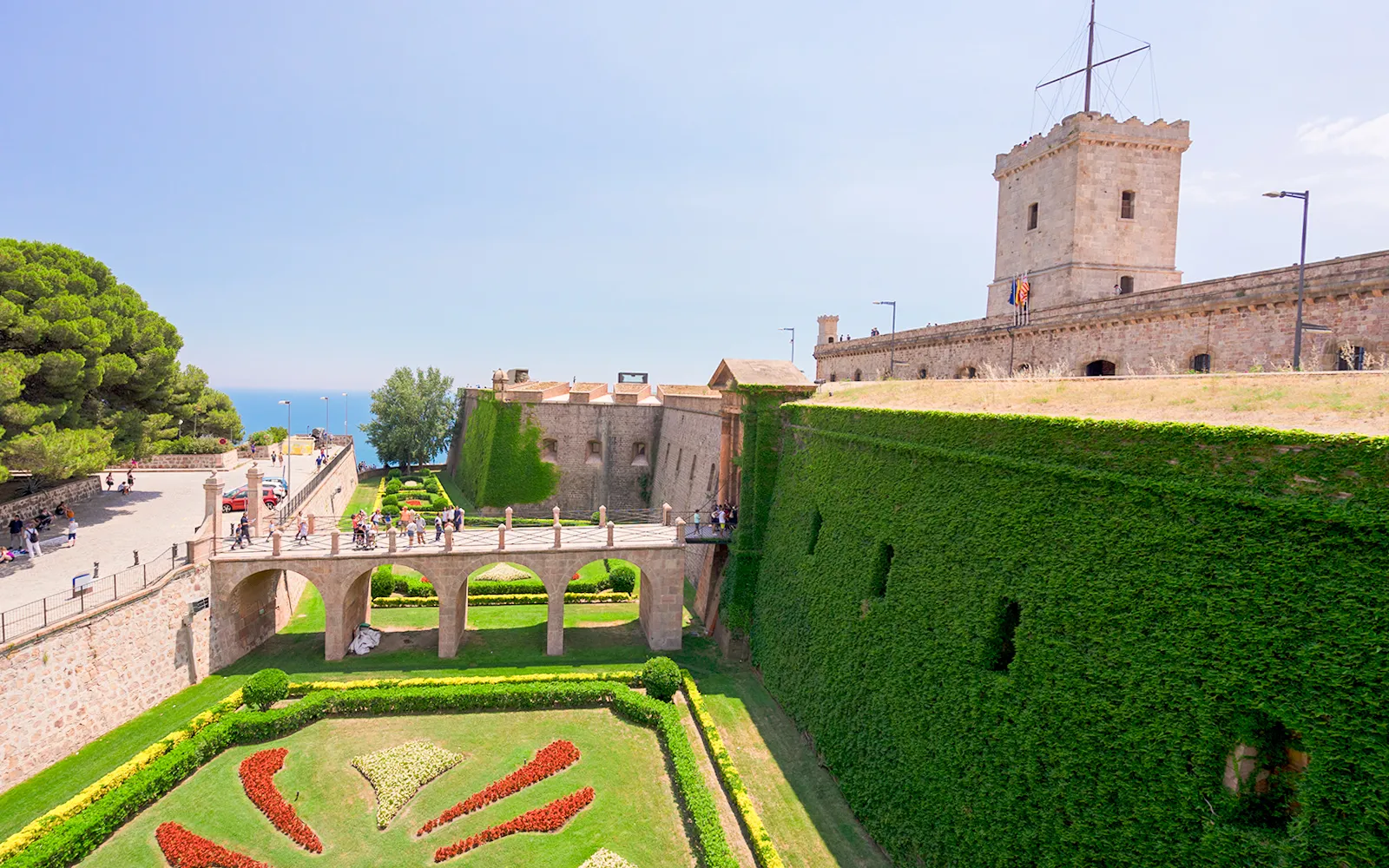
Montjuïc rises gently from the waterfront, a limestone hill that has long watched over Barcelona’s harbor and plain. In medieval times it served as a natural lookout; by the early modern period, fortifications crowned its summit, evolving into the castle visitors see today. The hill’s position made it a guardian and, at times, a symbol of authority — a place where the city’s story met the currents of history and power.
Across the centuries, the castle’s ramparts were rebuilt, repurposed, and reframed: from defensive bastion to ceremonial site, from strategic vantage to public viewpoint. Today it greets visitors not as a fortress of conflict but as a balcony over Barcelona — a quiet reminder that cities are shaped both by what happens within their streets and by what watches from above.
From fairs to the Olympic era
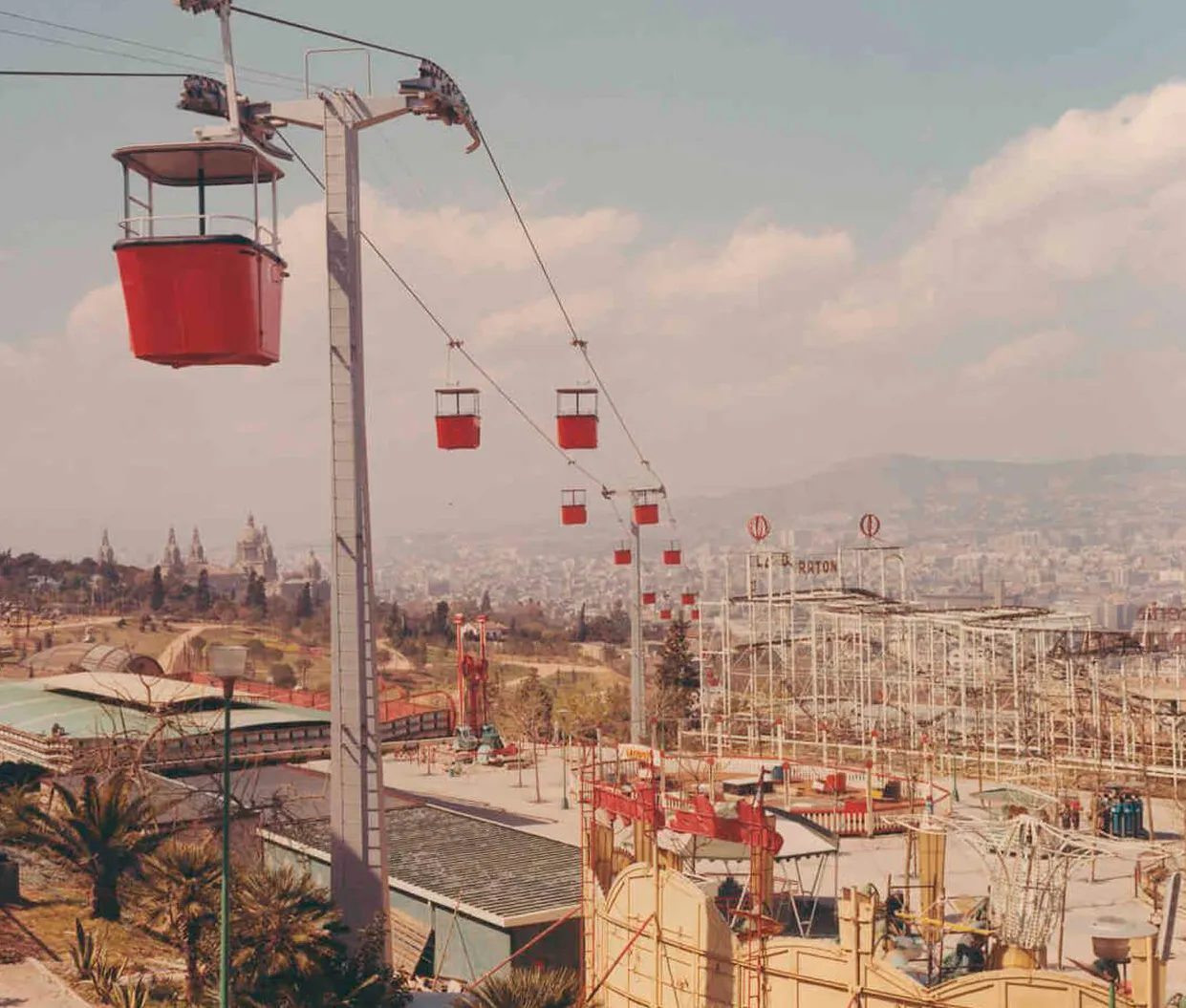
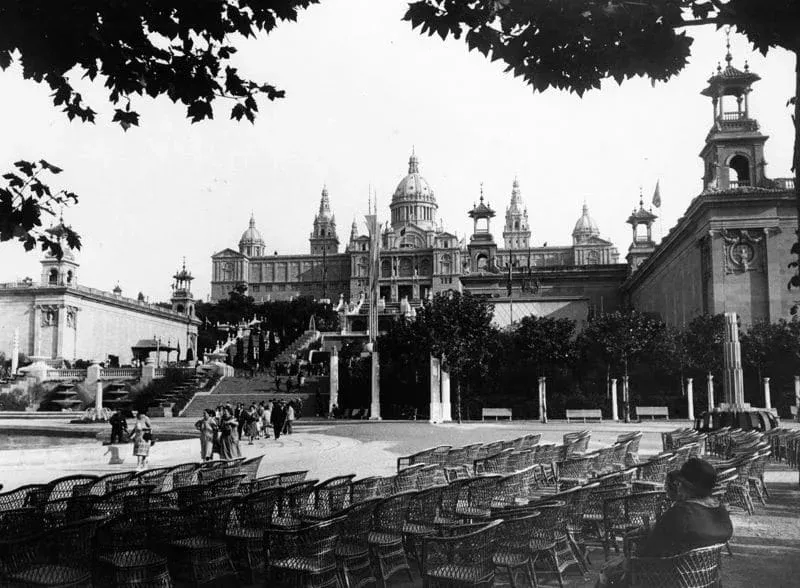
In the late 19th and early 20th centuries, Montjuïc became a stage for ambition and culture. The 1929 International Exposition reshaped the slopes with grand avenues, pavilions, and the museum that is now MNAC. Decades later, the 1992 Olympic Games added stadiums, pools, and plazas — stitching the hill into everyday Barcelona, not just as a lookout but as a place to gather, celebrate, and play.
These eras left gentle fingerprints: gardens tucked beside stone, civic buildings that nestle into the hillside, and viewpoints that frame the city anew. Montjuïc is not a museum behind glass; it’s a living park, a cultural campus, and a generous set of steps leading from the sea to the sky.
The cable car: engineering and experience
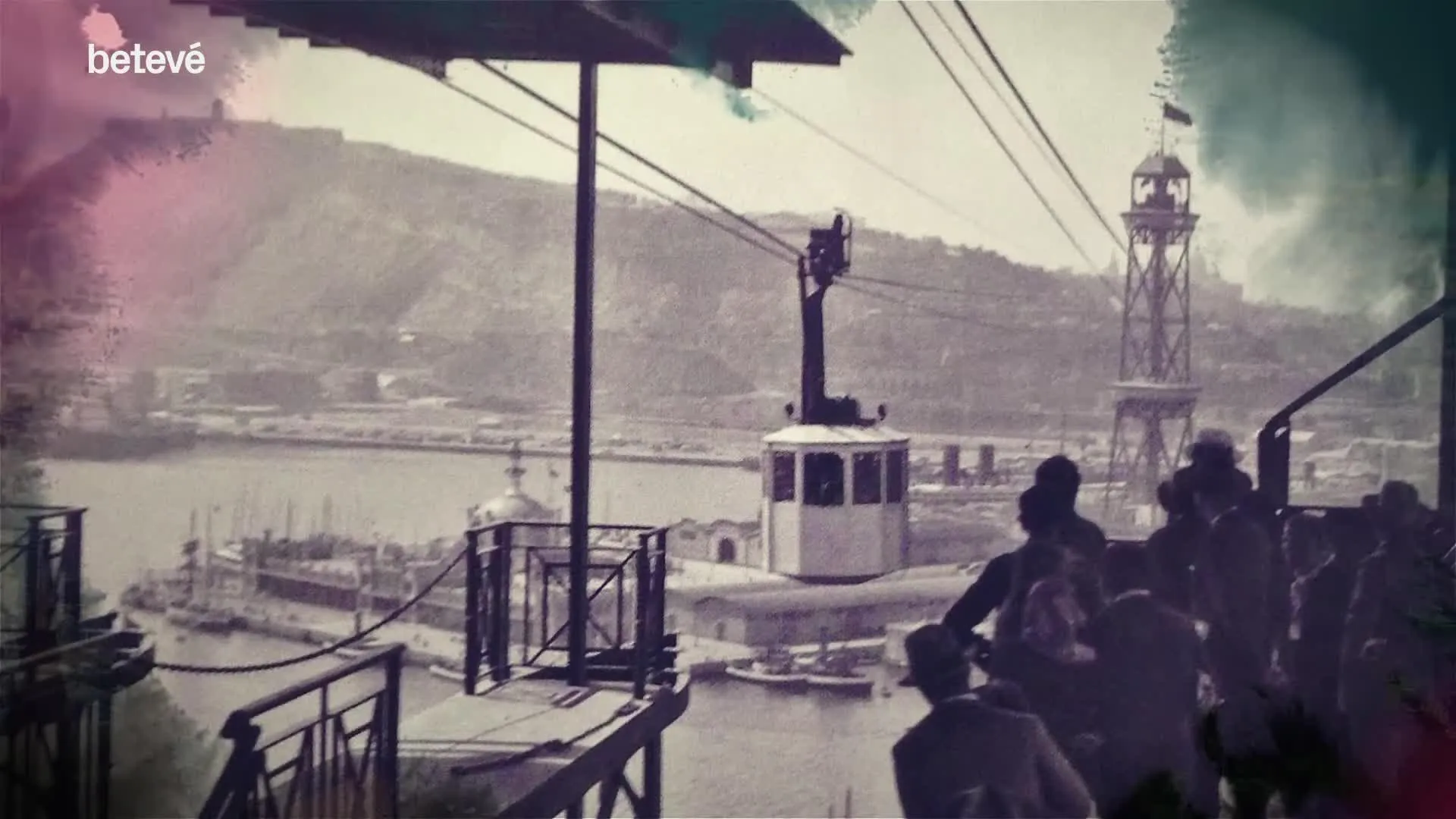
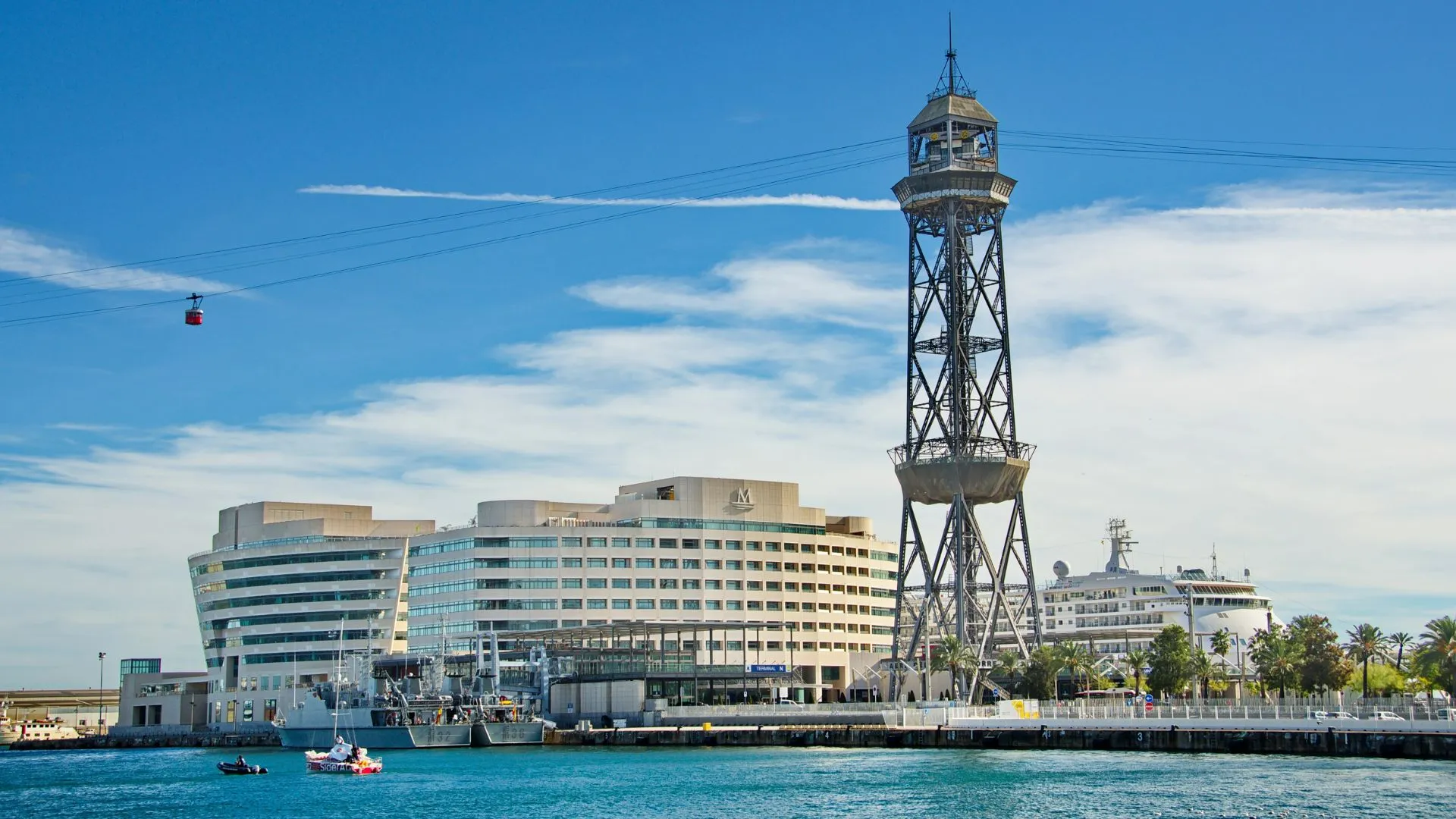
The modern Telefèric de Montjuïc carries visitors from the park to the castle in enclosed cabins, a quiet arc above treetops and garden paths. It is, in essence, a gentle bridge — a few minutes where the city spreads out and the sea slips into view, where the noise of streets softens and the geometry of Barcelona becomes clear.
Engineered for safety and comfort, the cable car blends into the hill’s rhythm: stations tucked along the slope, cabins spaced with patient regularity, staff ready with a smile and a hand if you need it. It turns a climb into a glide and a destination into a journey — a small, bright experience that reframes the day from above.
Museums, gardens, and miradors
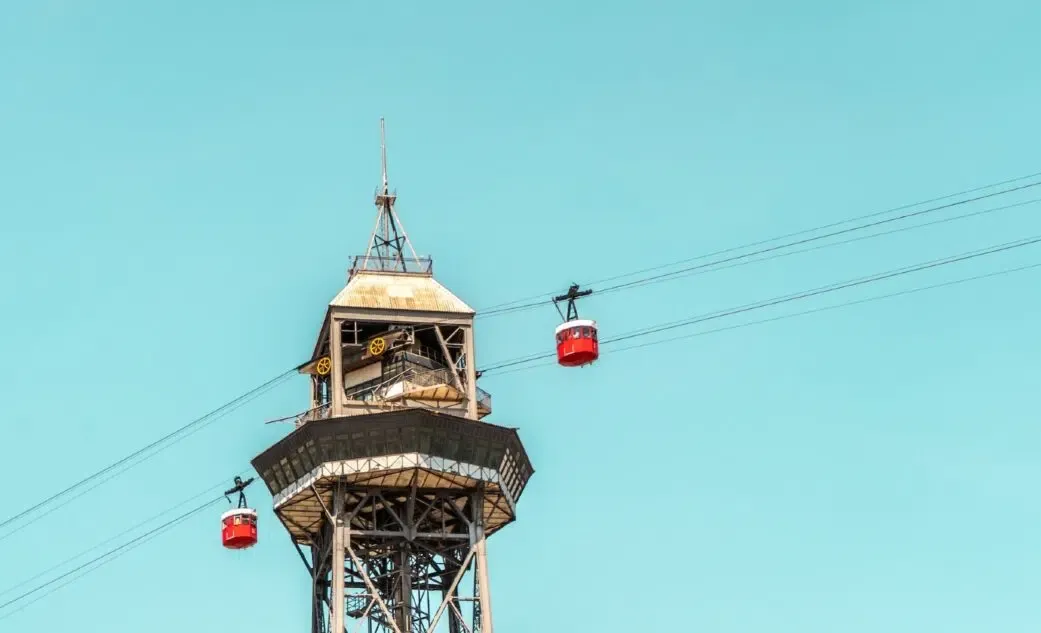
Montjuïc gathers culture like a gentle amphitheater: MNAC’s noble façade, the playful contours of the Joan Miró Foundation, the botanical garden’s quiet paths. Miradors punctuate the slope — places to pause, breathe, and let the city settle into layers.
Between museums and gardens, cafés and fountains, the hill is unhurried. A day here is a string of small pleasures — shade, views, steps, stories — stitched together without hurry, always with the skyline at your side.
Stations, routes, and connections
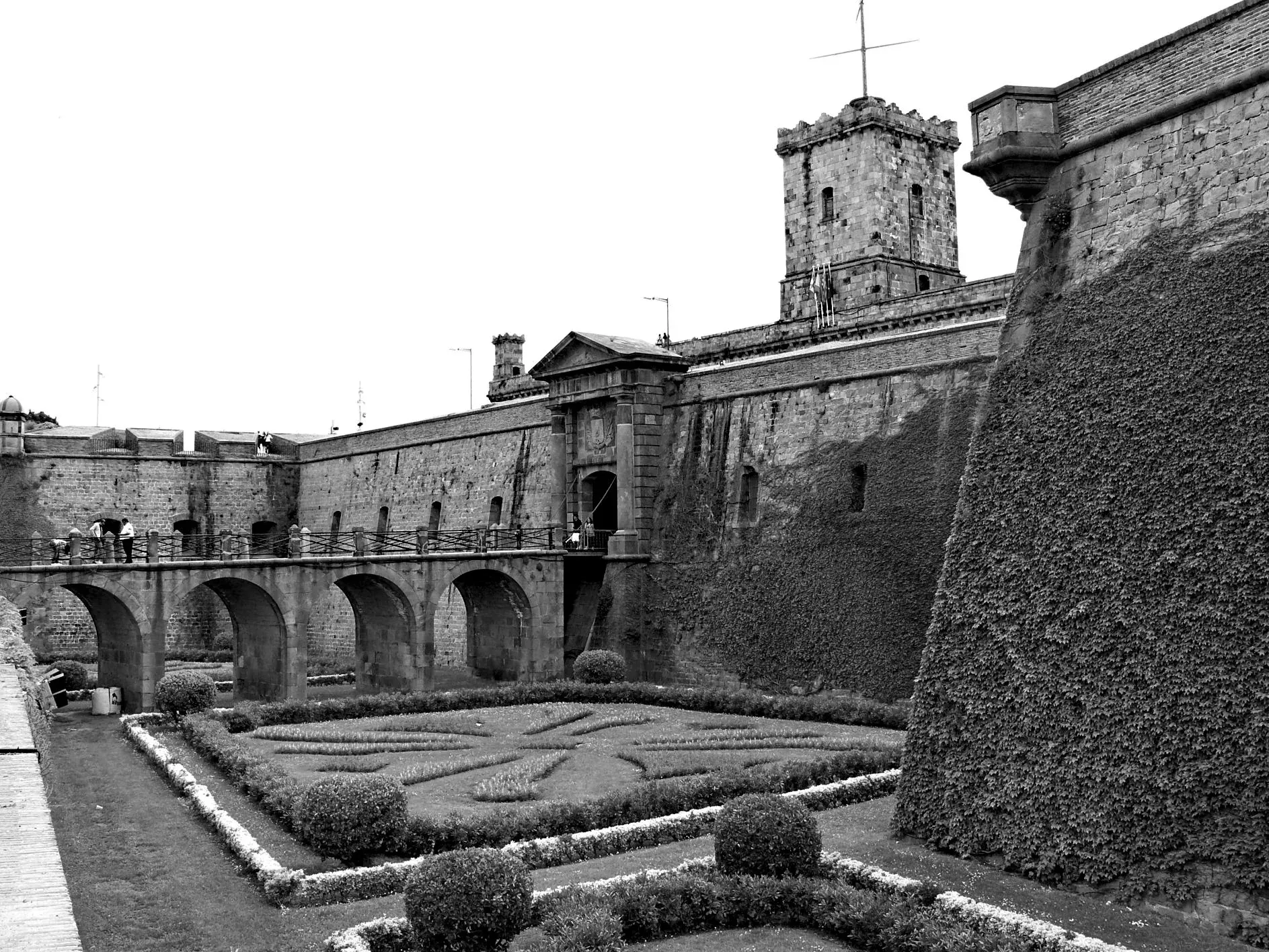
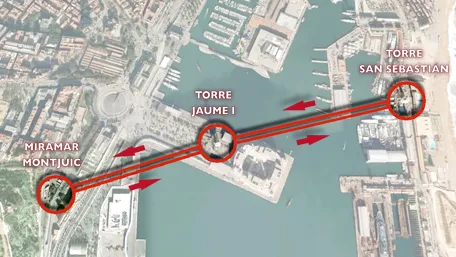
Stations step up the hill: Parc de Montjuïc at the base, Mirador in the middle, Castell at the summit. Trains, metro, buses, and the funicular knit the system together, making the cable car an easy chapter in the day’s route.
Connections are simple and signed. Whether you come from Paral·lel, Plaça d’Espanya, or the Olympic Ring, you’ll find the next step clearly marked — a hillside designed to welcome.
Safety, service, and accessibility
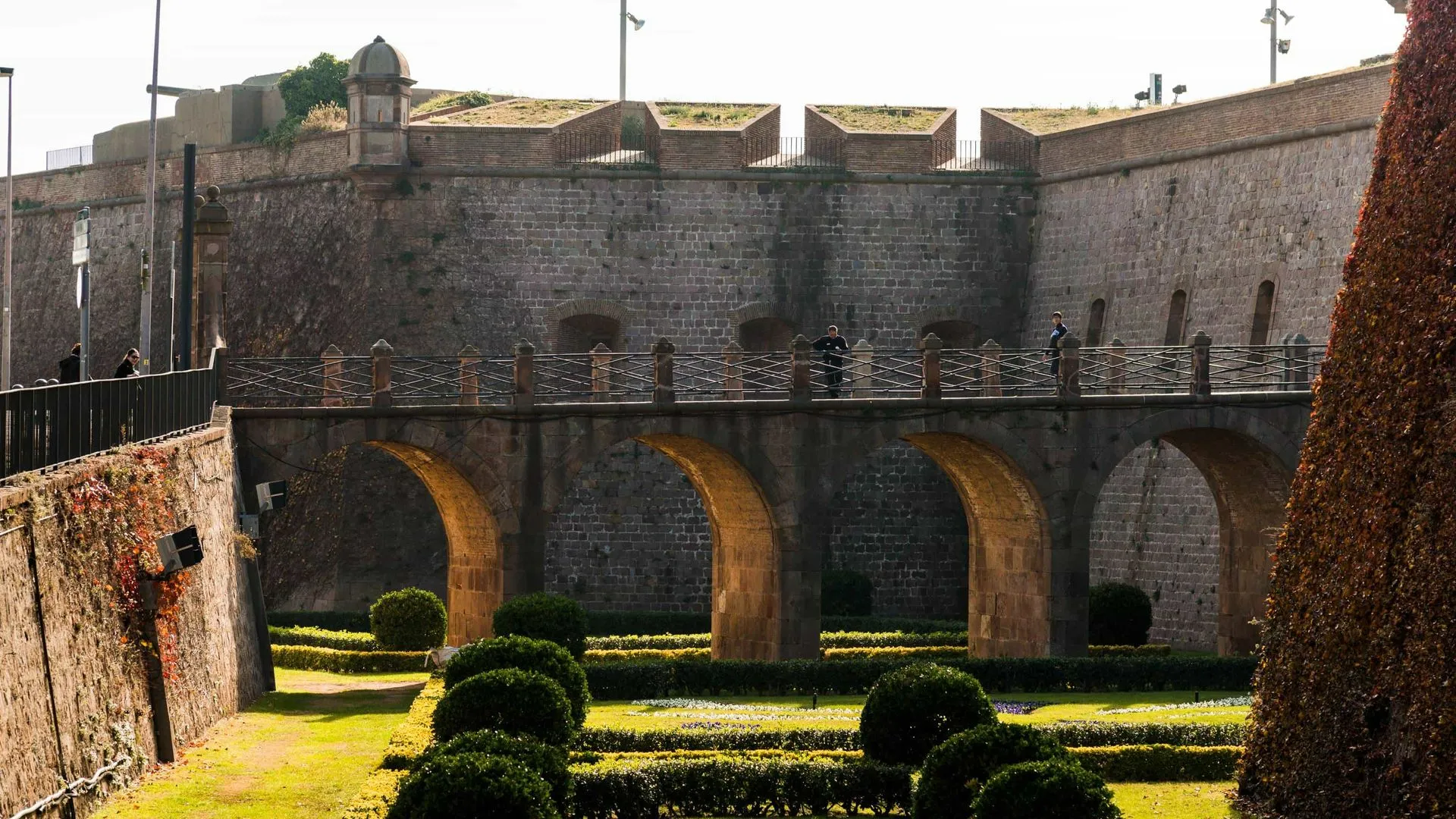
Service is frequent; cabins slow to allow boarding, and staff assist as needed. Operations may pause during strong winds or technical checks — safety is the quiet backbone of the experience.
Stations feature ramps and elevators where required, with clear signage and helpful teams. The ride is smooth, enclosed, and well suited to families and visitors with mobility needs.
Culture on the hill: events and everyday life
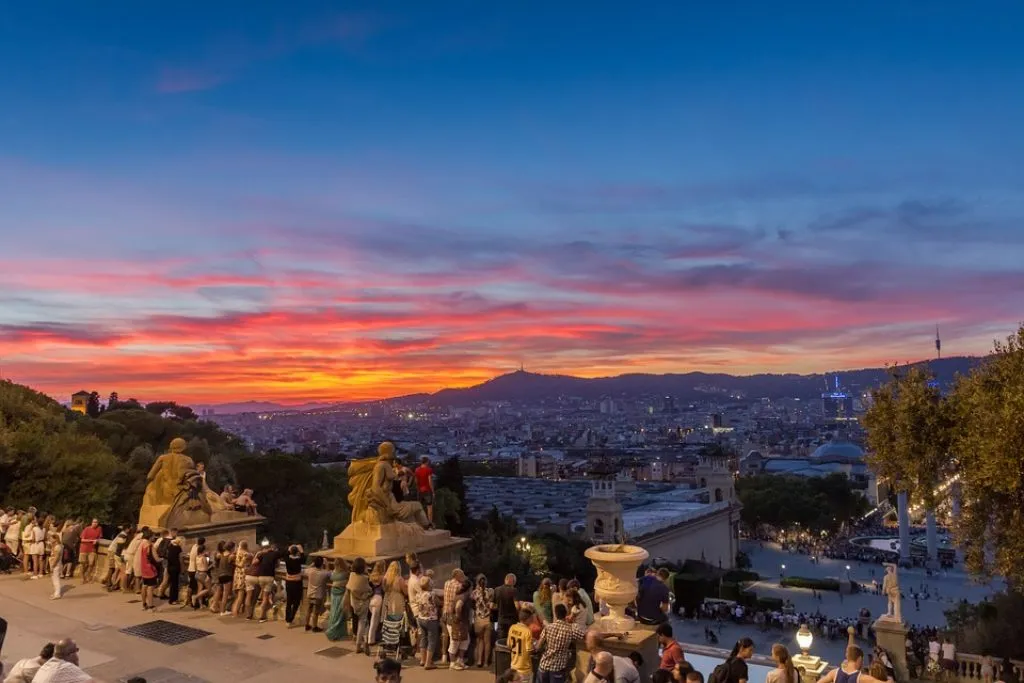
Montjuïc is a stage and a refuge. Outdoor concerts, art shows, and local festivals appear across the seasons, while joggers, readers, and families make the park their own.
At its heart, the hill feels generous: shaded paths, little cafés, and the simple joy of a city seen from a step or two away.
Tickets, passes, and practical tips
Book ahead for peak times; choose return rides unless you plan a long walk down. Combine with Montjuïc Castle or museum visits to shape a relaxed, full day.
Carry water, wear comfortable shoes, and watch for wind advisories. Early and late hours bring softer light and calmer stations.
Preservation and sustainability
Montjuïc’s charm depends on balance: maintaining paths and gardens, managing visitor flows, and encouraging public transport to keep the hill peaceful and green.
By choosing the cable car, walking, and considerate routes, visitors help preserve the hillside’s calm and its generous views for everyone.
Nearby highlights: Olympic Ring & Poble Sec
The Olympic Ring, with its stadiums and plazas, sits close by; Poble Sec below offers neighborhood cafés and simple, delicious food.
A cable car visit pairs well with a walk through these areas — a day that mixes views, culture, and local flavor.
Montjuïc in Barcelona’s story
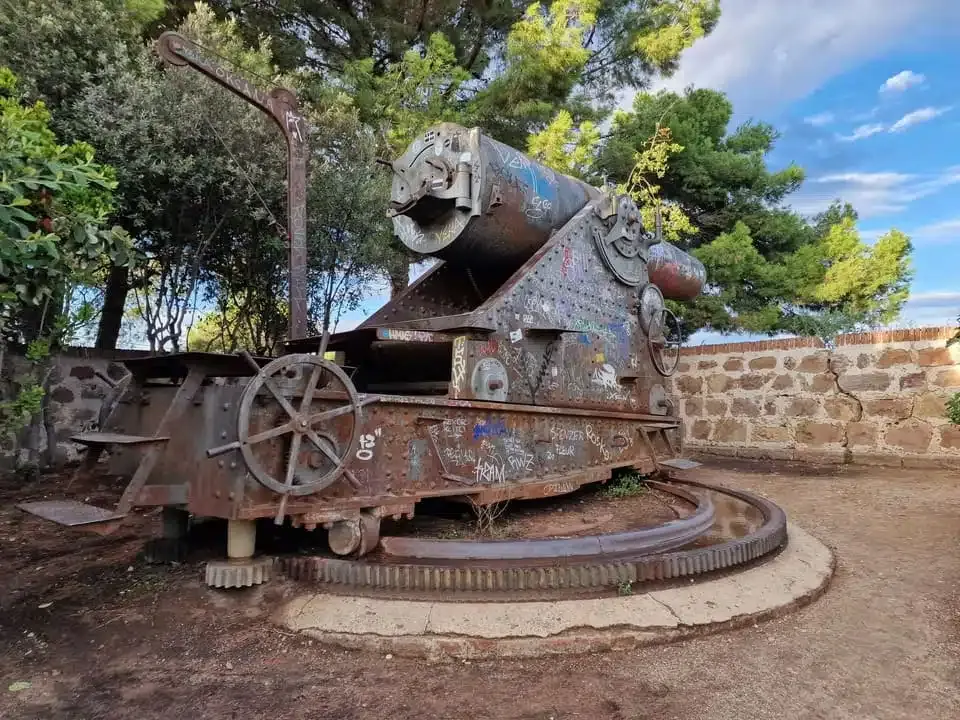
Montjuïc has been a witness: to trade and defense, to exhibitions and festivals, to a city becoming itself. The cable car is a gentle thread in that tapestry — a modern way to meet an old hill.
Standing at the ramparts, you see more than streets: you see how Barcelona leans into the sea, how neighborhoods climb and spread, and how the city’s past and present hold hands on the horizon.
Making the most of your visit
Plan a loop: ride up, walk the ramparts, enjoy a coffee with a view, then wander down through gardens and museums. If time allows, stay for golden hour — the city glows.
Bring curiosity and comfortable shoes. Montjuïc is best at a human pace, where the hill’s stories meet the hush of trees and the spread of the skyline.
Why this hillside matters
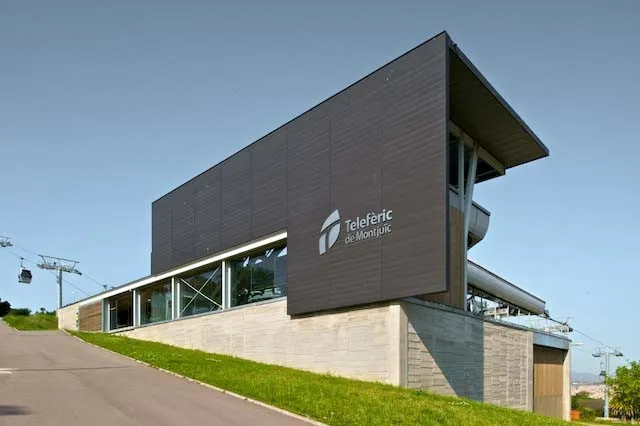
Montjuïc holds a generous slice of Barcelona: nature, culture, history, and views. The cable car invites you to meet them all at once, gently and with joy.
A visit supports the park’s care, connects you to the city’s story, and leaves you with a quiet memory of Barcelona from above.
Table of Contents
Origins of Montjuïc and its castle
Montjuïc rises gently from the waterfront, a limestone hill that has long watched over Barcelona’s harbor and plain. In medieval times it served as a natural lookout; by the early modern period, fortifications crowned its summit, evolving into the castle visitors see today. The hill’s position made it a guardian and, at times, a symbol of authority — a place where the city’s story met the currents of history and power.
Across the centuries, the castle’s ramparts were rebuilt, repurposed, and reframed: from defensive bastion to ceremonial site, from strategic vantage to public viewpoint. Today it greets visitors not as a fortress of conflict but as a balcony over Barcelona — a quiet reminder that cities are shaped both by what happens within their streets and by what watches from above.
From fairs to the Olympic era
In the late 19th and early 20th centuries, Montjuïc became a stage for ambition and culture. The 1929 International Exposition reshaped the slopes with grand avenues, pavilions, and the museum that is now MNAC. Decades later, the 1992 Olympic Games added stadiums, pools, and plazas — stitching the hill into everyday Barcelona, not just as a lookout but as a place to gather, celebrate, and play.
These eras left gentle fingerprints: gardens tucked beside stone, civic buildings that nestle into the hillside, and viewpoints that frame the city anew. Montjuïc is not a museum behind glass; it’s a living park, a cultural campus, and a generous set of steps leading from the sea to the sky.
The cable car: engineering and experience
The modern Telefèric de Montjuïc carries visitors from the park to the castle in enclosed cabins, a quiet arc above treetops and garden paths. It is, in essence, a gentle bridge — a few minutes where the city spreads out and the sea slips into view, where the noise of streets softens and the geometry of Barcelona becomes clear.
Engineered for safety and comfort, the cable car blends into the hill’s rhythm: stations tucked along the slope, cabins spaced with patient regularity, staff ready with a smile and a hand if you need it. It turns a climb into a glide and a destination into a journey — a small, bright experience that reframes the day from above.
Museums, gardens, and miradors
Montjuïc gathers culture like a gentle amphitheater: MNAC’s noble façade, the playful contours of the Joan Miró Foundation, the botanical garden’s quiet paths. Miradors punctuate the slope — places to pause, breathe, and let the city settle into layers.
Between museums and gardens, cafés and fountains, the hill is unhurried. A day here is a string of small pleasures — shade, views, steps, stories — stitched together without hurry, always with the skyline at your side.
Stations, routes, and connections
Stations step up the hill: Parc de Montjuïc at the base, Mirador in the middle, Castell at the summit. Trains, metro, buses, and the funicular knit the system together, making the cable car an easy chapter in the day’s route.
Connections are simple and signed. Whether you come from Paral·lel, Plaça d’Espanya, or the Olympic Ring, you’ll find the next step clearly marked — a hillside designed to welcome.
Safety, service, and accessibility
Service is frequent; cabins slow to allow boarding, and staff assist as needed. Operations may pause during strong winds or technical checks — safety is the quiet backbone of the experience.
Stations feature ramps and elevators where required, with clear signage and helpful teams. The ride is smooth, enclosed, and well suited to families and visitors with mobility needs.
Culture on the hill: events and everyday life
Montjuïc is a stage and a refuge. Outdoor concerts, art shows, and local festivals appear across the seasons, while joggers, readers, and families make the park their own.
At its heart, the hill feels generous: shaded paths, little cafés, and the simple joy of a city seen from a step or two away.
Tickets, passes, and practical tips
Book ahead for peak times; choose return rides unless you plan a long walk down. Combine with Montjuïc Castle or museum visits to shape a relaxed, full day.
Carry water, wear comfortable shoes, and watch for wind advisories. Early and late hours bring softer light and calmer stations.
Preservation and sustainability
Montjuïc’s charm depends on balance: maintaining paths and gardens, managing visitor flows, and encouraging public transport to keep the hill peaceful and green.
By choosing the cable car, walking, and considerate routes, visitors help preserve the hillside’s calm and its generous views for everyone.
Nearby highlights: Olympic Ring & Poble Sec
The Olympic Ring, with its stadiums and plazas, sits close by; Poble Sec below offers neighborhood cafés and simple, delicious food.
A cable car visit pairs well with a walk through these areas — a day that mixes views, culture, and local flavor.
Montjuïc in Barcelona’s story
Montjuïc has been a witness: to trade and defense, to exhibitions and festivals, to a city becoming itself. The cable car is a gentle thread in that tapestry — a modern way to meet an old hill.
Standing at the ramparts, you see more than streets: you see how Barcelona leans into the sea, how neighborhoods climb and spread, and how the city’s past and present hold hands on the horizon.
Making the most of your visit
Plan a loop: ride up, walk the ramparts, enjoy a coffee with a view, then wander down through gardens and museums. If time allows, stay for golden hour — the city glows.
Bring curiosity and comfortable shoes. Montjuïc is best at a human pace, where the hill’s stories meet the hush of trees and the spread of the skyline.
Why this hillside matters
Montjuïc holds a generous slice of Barcelona: nature, culture, history, and views. The cable car invites you to meet them all at once, gently and with joy.
A visit supports the park’s care, connects you to the city’s story, and leaves you with a quiet memory of Barcelona from above.